
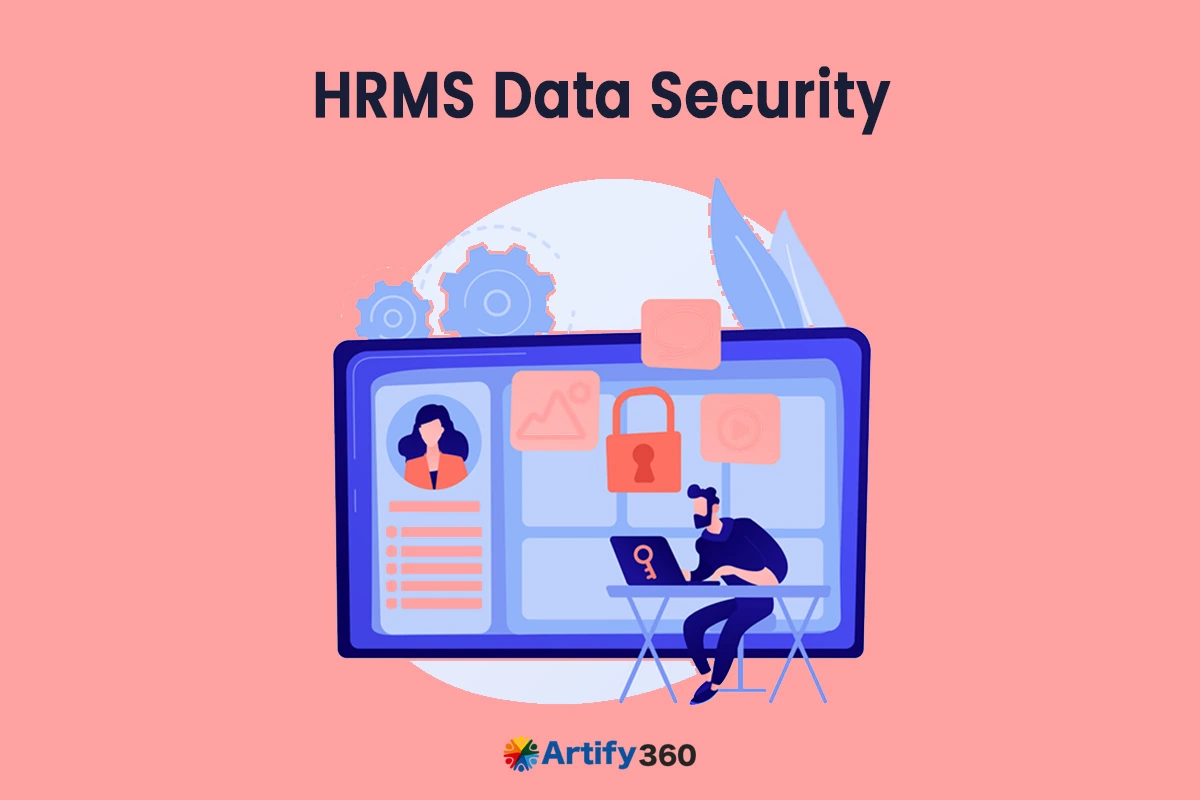
As organizations accelerate digital transformation, HRMS data security has become a mission critical priority. HR systems today hold the most sensitive and high value information within a business employee identities, payroll records, financial data, compliance documents, medical information, and confidential contracts.
In 2025, with cyber threats evolving rapidly, protecting HR data is no longer optional it’s a strategic necessity for business continuity, compliance, and reputation management.
This guide explains why HRMS data security matters more than ever, the risks HR teams face today, and how modern cloud HRMS platforms like Artify360 ensure enterprise grade protection.
Exploring the Relevance of Data Security in HRMS in 2025
The shift to cloud based HR systems, AI driven HR analytics, and remote work has dramatically expanded the attack surface for organizations. According to global cybersecurity reports, over 40% of data breaches now target HR, payroll, or employee identity systems.
In 2025, several factors elevate the importance of HRMS data security:
Increasing ransomware attacks on HR and payroll platforms
Digital employee onboarding and KYC processes
Mandatory compliance with GDPR, ISO 27001, SOC 2, Bahrain PDPL, Saudi PDPL, and new GCC data localization laws
Growing use of cloud integrations, APIs, and third party HR tools
HRMS is no longer just a management tool it’s an enterprise security gateway that must be monitored, encrypted, and protected with zero trust frameworks.
What is HRMS Data Security?
HRMS data security refers to the frameworks, technologies, policies, and controls used to protect HR and employee data from unauthorized access, cyberattacks, internal misuse, or accidental exposure.
This includes securing:
Employee PII (Personally Identifiable Information)
Payroll and compensation data
Attendance and biometric data
Compliance documents
Bank account & payment credentials
Access logs and user permissions
Modern HRMS platforms ensure security using:
- AES-256 encryption
- HR software encryption at rest & in transit
- Role-Based Access Control (RBAC)
- Identity & Access Management (IAM)
- Single Sign-On (SSO), MFA, OAuth 2.0, SAML 2.0
- Zero Trust Security models
- API-level security and tokenization
Why HR Data Is a High Value Target?
Employee and HR datasets have become prime targets for cybercriminals due to:
1. Sensitive Personal Data
HR systems store the most confidential information in the organization, including identity numbers, health details, and payroll information—making them extremely valuable on dark web markets.
2. Strategic Business Information
Leadership info, workforce planning, and financial insights stored in HRMS can be exploited for corporate espionage.
3. Payroll System Vulnerability
Payroll fraud, salary redirection, and phishing attacks often begin through HR systems.
4. Asset & Access Management
HRMS connects with multiple internal systems making it a gateway for unauthorized entry.
5. Decision Making Dependence
Since HR analytics influence critical decisions, compromised data can disrupt organizational planning.
Top Security Risks HR Teams Face in 2025
Cybersecurity risks continue to evolve. HR departments now face:
1. Cyber Threats & Ransomware
Hackers increasingly target payroll databases and HR platforms due to high value data.
2. Insider Threats
Unrestricted access, disgruntled employees, and permission misuse can expose sensitive data.
3. Compliance Violations
Not adhering to GDPR, PDPL, ISO 27001, and SOC 2 can lead to heavy penalties.
4. Cloud Vulnerabilities
Weak cloud configurations or insecure third party integrations open attack paths.
5. Deepfake & AI driven Impersonation
Fake employee identities targeting onboarding and payroll systems.
6. Lack of Risk Mitigation Frameworks
Businesses without backup strategies, disaster recovery, or incident response plans are more vulnerable.
7. Inadequate Audit Trails
Without detailed activity logs, it’s hard to track suspicious or unauthorized access.
How Modern HRMS Protects Employee Data
A next generation HRMS uses multi layered security protocols to fortify data protection:
1. End to End Encryption
AES-256 encryption ensures all HR, payroll, and identity data stays secure at every layer—storage, transit, and API interaction.
2. Role Based Access Control (RBAC)
Employees access only what they are allowed to. HRMS admin controls help prevent misuse or unauthorized viewing.
3. Cloud Security Architecture
Secure cloud infrastructure with:
Firewall protection
DDoS prevention
Secure cloud storage
Data centers compliant with ISO 27001 & SOC 2
4. Regular Backups & Disaster Recovery
Automated backups protect HRMS data from corruption, downtime, or cyberattacks.
5. Continuous Monitoring
Security alerts, log tracking, anomaly detection, penetration testing, and vulnerability scans ensure safety 24/7.
Why Businesses Cannot Ignore HR Data Protection
Protecting HR data is essential for:
1. Brand Reputation
A single breach can permanently damage stakeholder trust.
2. Transparent & Secure Operations
Secure HRMS systems improve employee confidence and governance.
3. Operational Stability
Protected data ensures continuity in payroll, onboarding, and compliance workflows.
4. Financial Protection
Data breaches cost organizations millions in legal fines, system recovery, and business loss.
5. Reliable Audit Reports
Secure HRMS platforms provide verifiable logs and compliance ready documentation.
How Artify360 Ensures HRMS Data Security
Artify360 Cloud HR & Payroll Software delivers a robust and secure infrastructure designed for 2025 and beyond. Its security architecture follows global best practices, GCC data laws, and enterprise grade protection.
Artify360 Security Highlights
- AES-256 Encryption for all HR & payroll data
- Multi-Factor Authentication (MFA)
- Role-Based Access Control (RBAC)
- SOC 2 & ISO 27001 aligned architecture
- Secure GCC data centers & data localization
- Encrypted backups & disaster recovery
- HR workflow permissions for managers & employees
- Continuous monitoring & vulnerability assessments
- API security & token-based authentication
Conclusion
As HR digitalization deepens in 2025, HRMS data security must be a top priority for every business. Protecting employee information is not just a legal requirement , it’s a commitment to organizational integrity, trust, and operational excellence.
With secure, compliant, and future ready technology like Artify360, businesses can confidently manage HR operations while ensuring maximum data protection.
Explore how Artify360 safeguards your HR ecosystem book a demo today!